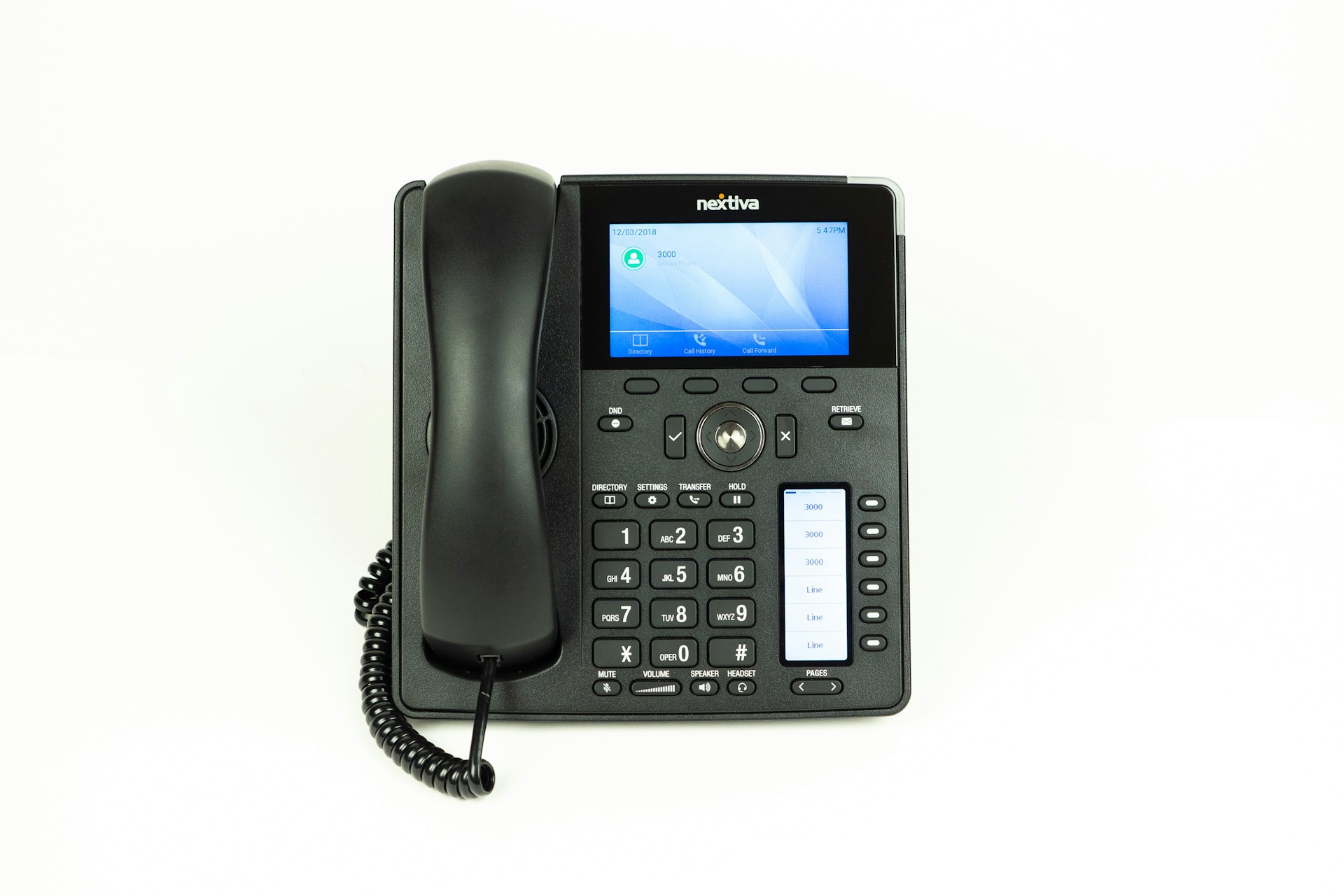
Clear calls make our workday easier. Whether it's checking in with a client, calling a…

The Role of a Telecommunication Service Provider
A telecommunication service provider helps businesses stay connected. That means keeping phones working, internet running, and communication lines open between staff, clients, and suppliers. It might not sound exciting, but it’s the quiet foundation that keeps things moving across a workday.
For small and medium-sized businesses, especially across towns like Warners Bay, connection means flexibility. Whether people work from an office, from home, or on the road, they need easy ways to talk, meet, and share updates. A telecommunication service provider helps keep that flow steady without interruptions.
Keeping Businesses Connected Every Day
When we talk about daily business communication, it’s not just phone calls. There’s video conferencing, shared files, emails, project updates, mobile access, and instant messages. Every one of them depends on working phone lines and solid internet connections.
- Phone and internet systems let teams stay in sync, whether they’re side by side or hours apart
- A strong setup supports customer service, operations, delivery updates, and admin without skipping a beat
- Even a short outage or slow connection can stop a sale or delay an urgent message
That’s why connection tools need to be consistent. If a morning check-in keeps dropping out or a file won’t upload at 3 PM when traffic spikes, it frustrates staff and creates waste. The tools don’t have to be fancy. They just need to hold up to regular use and keep pace when things get busy.
To keep up with digital demands, more workplaces now depend on a solid network to cover not just calls, but meetings, updates, workflow tools, and online transactions throughout the day. If the system is reliable, teams get on with their jobs instead of troubleshooting or waiting for a fix.
Setting Up Communication Tools That Fit Your Business
The right setup starts with knowing what you need. That means thinking about the size of the space, how many people are on calls at once, and how work gets done. A telecommunication service provider doesn’t just install tools, they help shape a setup that matches how a business runs day to day.
- The right phone system supports both quiet tasks and quick chats, without making people switch platforms
- Internet setups should match the flow of work, whether it happens in a shared workspace or across multiple devices
- Flexible tools allow your setup to grow naturally, without needing to replace everything when you add staff or shift locations
Trying to manage calls on outdated gear or pushing more traffic through a small modem than it can handle creates delays. It doesn’t just slow things down, it starts to affect how clear things sound and how reliable systems become. A setup that fits right feels like it disappears into the background, letting people focus without tech getting in the way.
For growing teams or those experimenting with hybrid work, reliable phones and internet are what allow projects to move between locations or devices easily. When you only have to learn one straightforward process for calls or conferencing, the tech doesn’t become a distraction. Instead, communication systems help people feel included and prepared.
NewVo offers scalable voice solutions and data products that work across offices of all sizes. Their plans include business-grade reliability, meaning calls, video, and data can run smoothly for everything from daily tasks to larger-scale meetings.
Handling Problems Before They Disrupt Work
Phone systems don’t usually break all at once. They show small signs, slight delays when answering, a bit of echo, or slow downloads at the same time every day. These are clues. A good provider treats them that way and digs into why they’re happening before they turn into full outages.
- Some of the most common issues are call delays, sound cuts, or crackling lines
- These problems often point back to device updates, weak signal spots, or settings that need a small correction
- Ongoing monitoring helps catch connection drops before staff have to raise the alarm
If left unchecked, even minor problems in a communication system can lead to dropped calls, frustration, or important messages getting lost. People might try to work around the issue by using their personal mobiles or sharing files outside the main system, which can create risks and confusion during busy hours.
Without support on hand, small tech issues often get ignored for too long. Someone works around it, restarts their modem for the fifth time, or avoids making longer calls. That’s not sustainable. It’s far more useful to have problems checked at the source and fixed without slowing down the rest of the job.
Having steady communication lets customer service staff focus on clients, helps teams coordinate work, and cuts down time spent chasing glitches. Solutions that catch issues before they turn into larger interruptions build confidence among workers.
Adapting to Seasonal Shifts and Busy Periods
As we get into mid-January, most businesses across Australia, including places like Warners Bay, are settling back into normal hours after the New Year break. Phones pick up. Emails start flowing. Bookings start again. That early-year period can be tricky, with new plans starting while some systems still carry the load from the holidays.
A telecommunication service provider helps ease the pressure by adjusting services to match what’s expected.
- If there’s an uptick in bookings or customer support calls, extra lines or clearer call flow may be needed
- If staff return in mixed shifts or remote roles, settings might need to shift to stop slowdown or duplication
- Planning ahead gives the systems time to adjust before needs change again
Busy stretches line up with school holidays, local events, or seasonal demand, so planning matters. Extra calls in January, changing opening times, or onboarding new staff all impact how much a network gets used. If internet speeds were low at the end of last year, the start of the new one is a good time to check what needs adjustment for the busier weeks coming up.
Getting stuck midway through a staff call or losing video during an onboarding session can feel frustrating. Especially when people are only just resetting their routines. It’s better to prepare systems for a bit more load than to stretch things too late and deal with slowdowns during peak hours.
Quick check-ins about how systems performed last year can show where improvement is needed. Sometimes a small tweak in call flow, bandwidth, or device setup can make a busy season much smoother for everyone involved.
Building Confidence in Daily Business Operations
Most of what we do every day depends on quiet tools working properly in the background. Phone calls that connect the first time. Files that upload without error. Quick check-ins between teams. When those things happen smoothly, people don’t think twice. They just get on with work.
That’s where the steady presence of a good provider helps, a setup that grows with the business, responds to shifts, and fixes what needs fixing without fuss. It keeps communication calm and efficient, which makes everything else easier to manage through the year.
Simple but reliable connections help people feel supported. Whether it’s a manager in the office or a team member working remotely on a tight deadline, a system that covers the basics gives everyone more time to focus on their job. In the end, smooth communication is the backbone that keeps business rolling without extra drama or unwanted surprises.
At NewVo, we know how important it is for Warners Bay businesses to keep communications running smoothly. Our team offers solutions that support your daily operations without disruption, making sure your technology consistently delivers in the background. As your local telecommunication service provider, we focus on setup, support, and timely upgrades that suit your needs. Speak with us today and let’s discuss how we can help fine-tune your phone or internet system.

Related Posts